
What is thermoregulation?

Thomas Merckx
Exo Terra Communication Manager
Thermoregulation is the process by which organisms maintain a stable internal body temperature within a certain range despite changes in the external environment. Both reptiles and amphibians are ectothermic animals, meaning that their body temperature is primarily influenced by the surrounding environment rather than being regulated internally like endothermic animals (e.g., mammals and birds).
Several behavioral strategies are adopted to regulate body temperature. They rely on external sources of heat, like the sun or warm surfaces, to warm up their bodies, and they seek out shade or cooler areas when they need to cool down. It's important to keep in mind that amphibians have slightly different thermoregulatory strategies compared to reptiles due to their more permeable skin and moist habitats.
Moving between hot and cool/humid spots
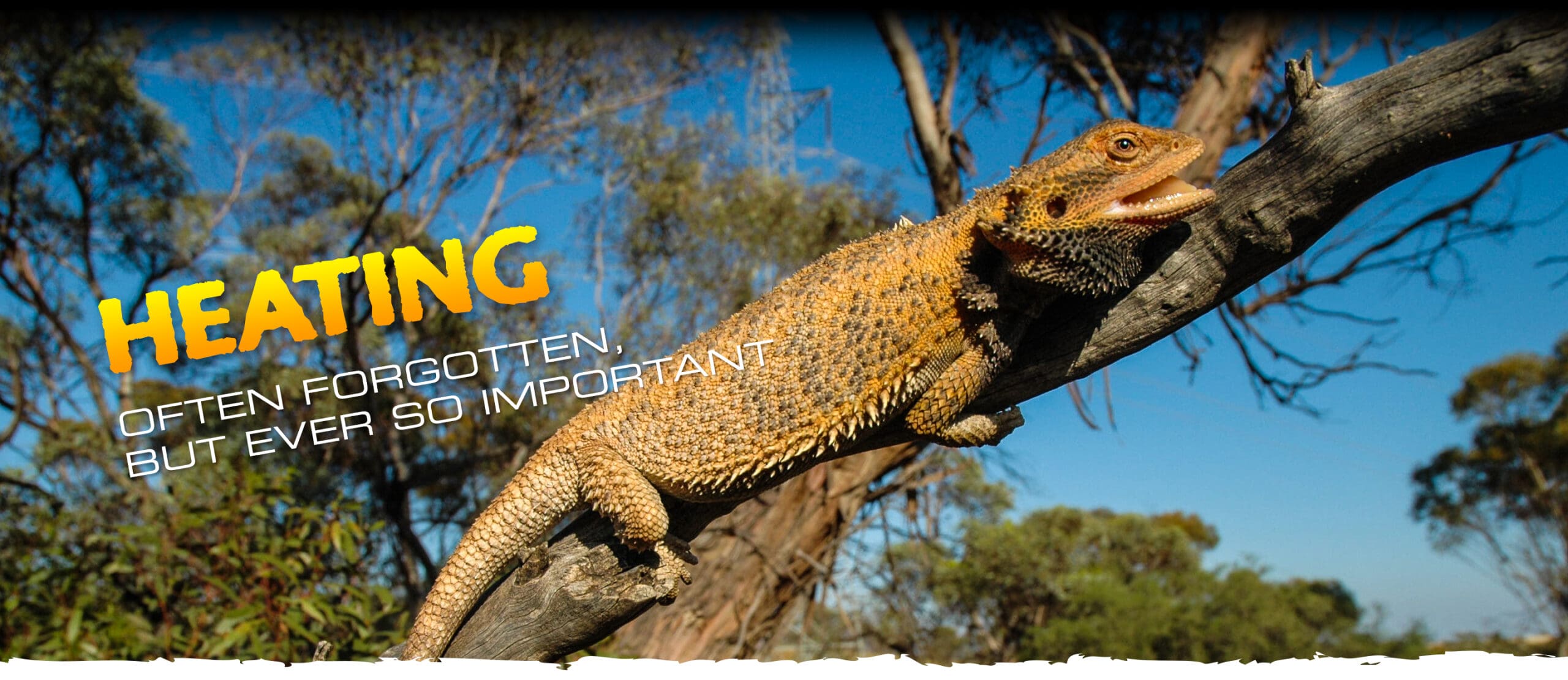
Most reptiles use direct radiant heat from the sun (basking) in combination with conductive heat from sun-heated surfaces such as branches, rocks or other heat accumulating structures to increase their body temperature. By absorbing heat from their surroundings, they can elevate their body temperature to a level that enhances their metabolic activity. When temperatures become too high, reptiles and amphibians may seek shelter in the shade, burrow into the ground, or hide in vegetation to reduce their exposure to direct sunlight and prevent overheating. Amphibians have thin and moist skin, which can cause water loss in hot and dry conditions. They may look for damp areas or find other ways in which they can keep their skin hydrated. Many amphibians, especially aquatic species, thermoregulate by moving between warm surface waters and cooler depths.
Postural Changes
Reptiles can adjust their body orientation to maximize or minimize heat absorption from the sun. They may flatten their bodies to increase surface area and absorb more heat or raise themselves off the ground to reduce contact with hot surfaces.
Activity Patterns
Species may be more active during warmer times of the day and during specific seasons and become less active or enter a state of torpor or hibernation during cooler periods. This will mostly depend on their habitat and the climate.
Physiological Adaptations
Some species can tolerate relatively wide temperature ranges, while others have developed specific adaptations to survive in extreme environments, such as the ability to shut down non-essential bodily functions during cold periods. Several animals can even control blood flow to their extremities: vasodilation (expanding blood vessels)is used to increase heat exchange and warm up, while vasoconstriction (narrowing blood vessels) helps conserve heat when it's cold. Reptiles with dark skin or scales can often alter their color to absorb or reflect sunlight, thereby influencing their body temperature.
Different species of reptiles and amphibians inhabit diverse environments, ranging from deserts to rainforests. Heat is essential for these animals to adapt and survive in their respective habitats. Thermoregulation helps them optimize physiological processes, immune function, and overall well-being.
An appropriately decorated terrarium, with a suitable substrate and several cool/humid and hot spots is essential for the animal's health. Cool and hot spots can be created with the help of thermostats and hygrostats. These devices help maintain the required temperature and humidity conditions. Providing an appropriate, species related, temperature and humidity gradient in the terrarium is an important factor in maintaining a successful terrarium setup.
Thomas Merckx
Exo Terra Communication Manager