
Heating
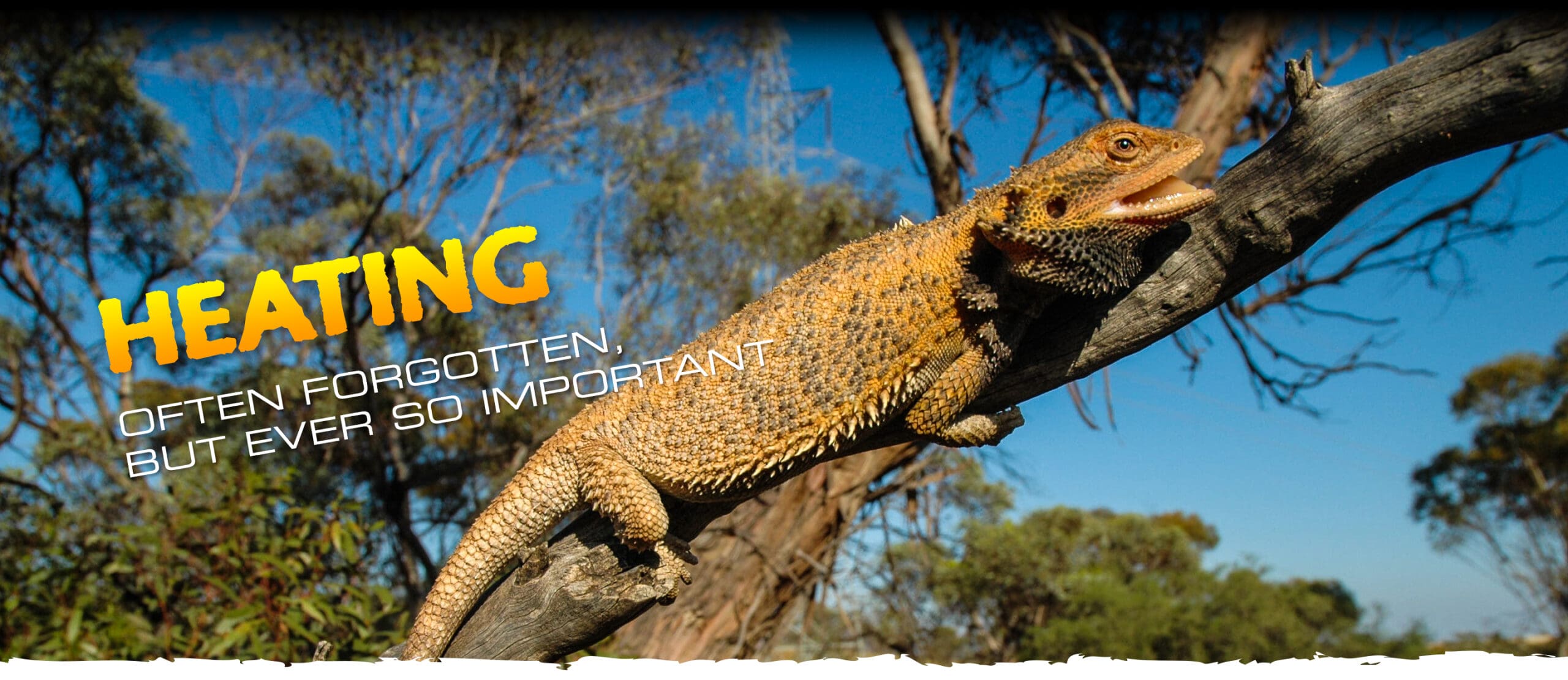
Reptiles and amphibians are ectothermic or cold-blooded animals. Unlike endothermic animals such as mammals and birds, these animals cannot generate their own body heat internally. Instead, they rely on external heat sources to regulate their body temperature and carry out essential physiological functions. Reptiles are able to regulate their body temperature by moving between warmer and cooler areas (thermoregulation). In their natural biotope they use the radiant heat from the sun as a direct source, and surfaces heated by the sun like branches, rocks or the forest floor as an indirect source (heat conductor). In terrarium conditions, this is simulated by a heating system.
Metabolism and Digestion
Heat is vital for maintaining optimal metabolic rates and facilitating efficient digestion. Reptiles and amphibians require specific temperatures to break down food effectively and extract nutrients. Insufficient heat can lead to digestive disorders, inadequate nutrient absorption, and overall poor health.
Activity
Heat influences activity levels and mobility. Reptiles and amphibians are more active and agile when their body temperatures are within their preferred range. Heat allows their muscles and nervous system to function optimally, enabling essential behaviours such as hunting, foraging, mating, and territorial defense.
Breeding, Development and Growth
Many species require specific temperature conditions for successful breeding, egg incubation, and embryonic development. Variations in temperature can influence the sex determination of some species, affecting the male-to-female ratio in populations. Furthermore, adequate heat is crucial for the growth and development, especially during the early life stages. Heat influences factors like metabolic rate, enzyme activity, and hormone production, which are essential for proper growth, bone development, and organ function.
Behavioral and Psychological Well-being
Heat can have a direct impact on the behavior and well-being of reptiles and amphibians. Insufficient heat can lead to stress, reduced activity, weakened immune systems, and increased susceptibility to diseases. Providing an appropriate temperature helps promote natural behaviors, physical health, and overall quality of life.
Devices like heat bulbs, ceramic heaters, heat mats, heat cables and heat rocks simulate natural conditions by raising the overall temperature and heating specific surfaces inside the terrarium. This will stimulate the natural thermo-regulating behaviour of the animal. Thermostats will help to control and regulate the acquired temperature. Providing appropriate heat gradients and environmental conditions is essential for the overall health and vitality of these fascinating creatures. A proper heating system is thus a very important factor of the natural terrarium set-up.

Thomas Merckx
Exo Terra Communication Manager