What is UV-B?

Emmanuel Van Heygen
Exo Terra Brand Manager
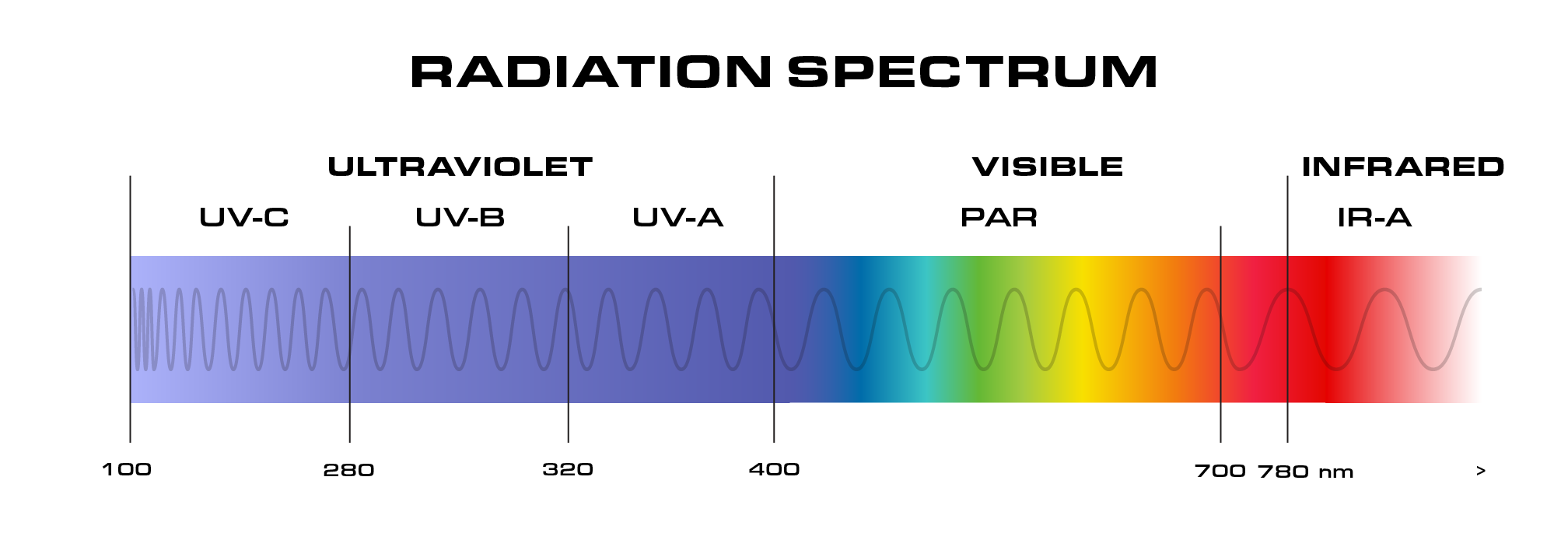
UVB stands for Ultraviolet B radiation, a type of ultraviolet radiation in sunlight. Ultraviolet or UV light is a high-energy portion of the electromagnetic spectrum beyond visible light. The UV spectrum is divided into three wavelength groups:
- UV-A - Long wave ultraviolet A ranges from 320-400 nm
- UV-B - Medium wave ultraviolet B ranges from 280-320 nm (UV-B below 290nm is filtered out by the earth's stratosphere and is considered dangerous non-terrestrial UV-B)
- UV-C - Short wave ultraviolet C ranges from 100-280 nm (dangerous to all living organisms: present in sunlight but filtered out by the earth's stratosphere)
In the wild, most reptiles synthesize their vitamin D3 from the UV-B component of sunlight. Vitamin D3 is essential for the effective metabolism of dietary calcium in reptiles. UV-B reacts with the precursor of vitamin D, 7-dehydrocholesterol, in the skin to produce provitamin D3. Depending on heat and the aid of a mechanism in the skin, provitamin D3 is converted into vitamin D3. The liver and kidneys transform vitamin D3 into its active form, a hormone (1,25, hydroxy-vitamin D) that regulates calcium metabolism.
Carnivorous and omnivorous reptiles get a high proportion of their vitamin D3 requirement from their food. However, plants do not contain D3 (cholecalciferol), instead they contain D2 (ergocalciferol), which is far less efficient in calcium metabolism than D3. Herbivorous reptiles are therefore far more dependent upon the quantity and quality of artificial lighting than carnivorous specimens. If inadequate vitamin D3 is available, the animal will rapidly develop the condition known as Metabolic Bone Disease. In this condition, bone density suffers and various other serious metabolic problems occur. Symptoms include swelling, lethargy, general weakness, tremors and softening of the shell in turtles and tortoises.
Next to a UV-B light source, adequate levels of calcium must be present in the diet or must be provided by means of dietary supplementation. Juvenile reptiles are most at risk, although adults too can be affected if maintained in a state of deficiency for a long enough period. Egg laying females are also at great risk, due to the extra demands in calcium necessary for egg production.
Apart from UV-B, the UV-A component of ultraviolet light also plays an important role in reptile and amphibian health. It has been demonstrated that UV-A can influence agonistic, reproductive, and signalling behaviours in reptiles. As reptiles can see into the UV-A range (320-400 nm) it will affect the way they see things. The colour of their food or their bodies will appear different in a reptile’s eye then the way we see it if exposed to UV-A radiation. Signalling by exposing body parts (e.g. Anolis sp.) or changing colours (e.g. Chameleon sp.) is common in reptiles, these signals are perceived and also interpreted differently by reptiles if UV-A radiation is absent. Failure to provide UV-A to diurnal reptiles can cause stress by altering the reptile's perception of its surroundings and how it responds to it. This is crucial for breeding or keeping them around for the length of their natural life span.
Emmanuel Van Heygen
Exo Terra Brand Manager
"In the wild, most reptiles synthesize their vitamin D3 from the UVB component of sunlight. Vitamin D3 is essential for the effective metabolism of dietary calcium in reptiles."