My Experience with Exo Terra Glass Terrariums for Chameleons By Dr. Christopher V. Anderson
For over a decade, I exclusively housed my chameleons in traditional screen-sided enclosures, believing them to be the best option for airflow and husbandry. However, in 2008, I decided to experiment with Exo Terra Glass Terrariums, and from that moment forward, I never looked back. The shift to these enclosures not only transformed my approach to chameleon care but also significantly improved the well-being of my animals.

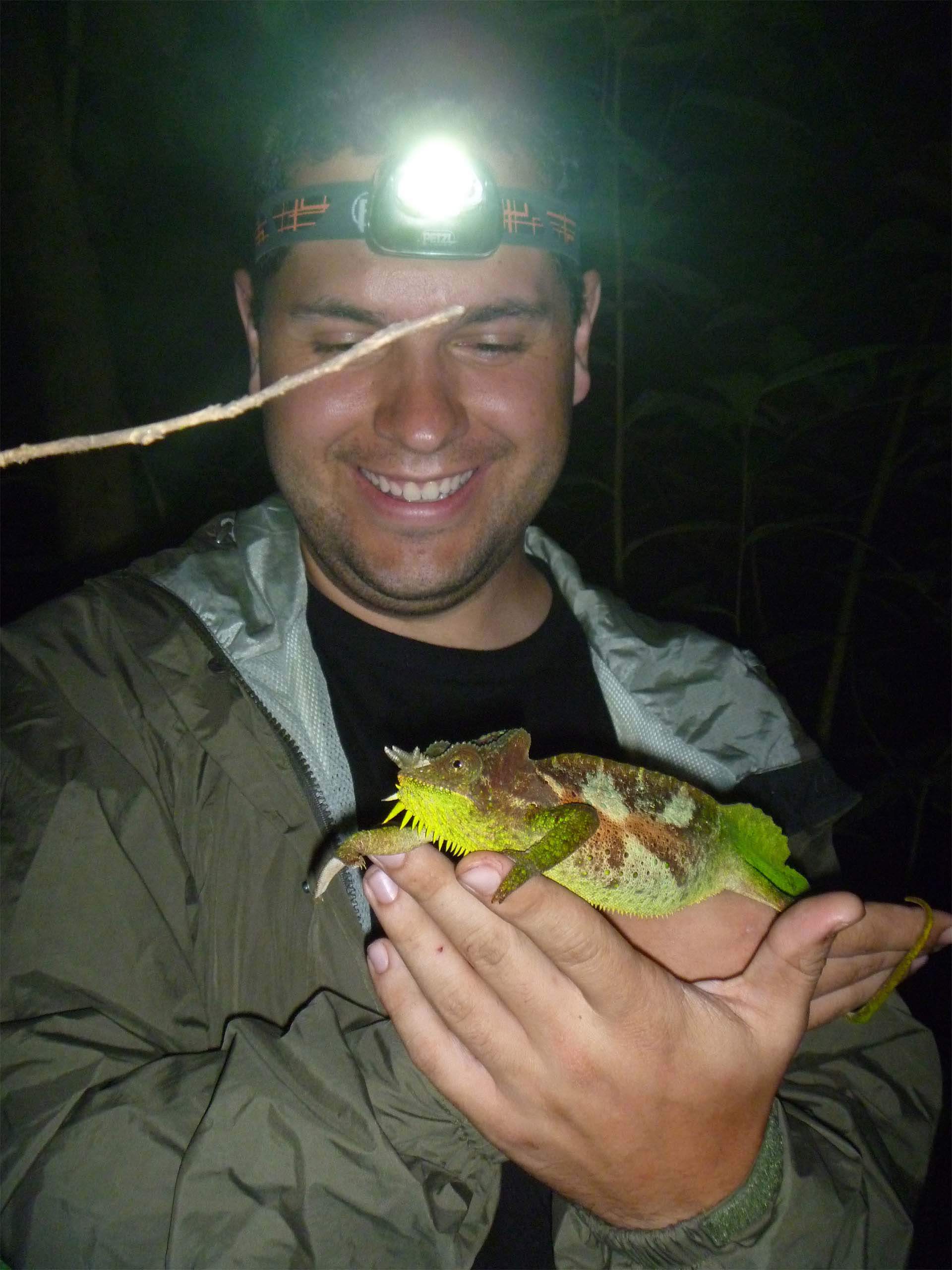
As an Associate Professor in the Department of Biology at the University of South Dakota, I specialize in functional morphology, biomechanics, and herpetology. My research focuses on understanding the physiological and biomechanical systems of animals within ecological and evolutionary contexts. I have spent years studying the mechanisms underlying animal movement, particularly in chameleons, and how these systems evolve and adapt to different environments. Additionally, I serve as the Chair of the International Union for Conservation of Nature (IUCN) Species Survival Commission’s Chameleon Specialist Group, where I work alongside a global network of experts dedicated to promoting and supporting the conservation and sustainable use of wild chameleons and their habitats. These experiences have allowed me to gain a deep understanding of chameleon biology, behavior, and environmental needs—insights that have directly influenced my approach to husbandry.

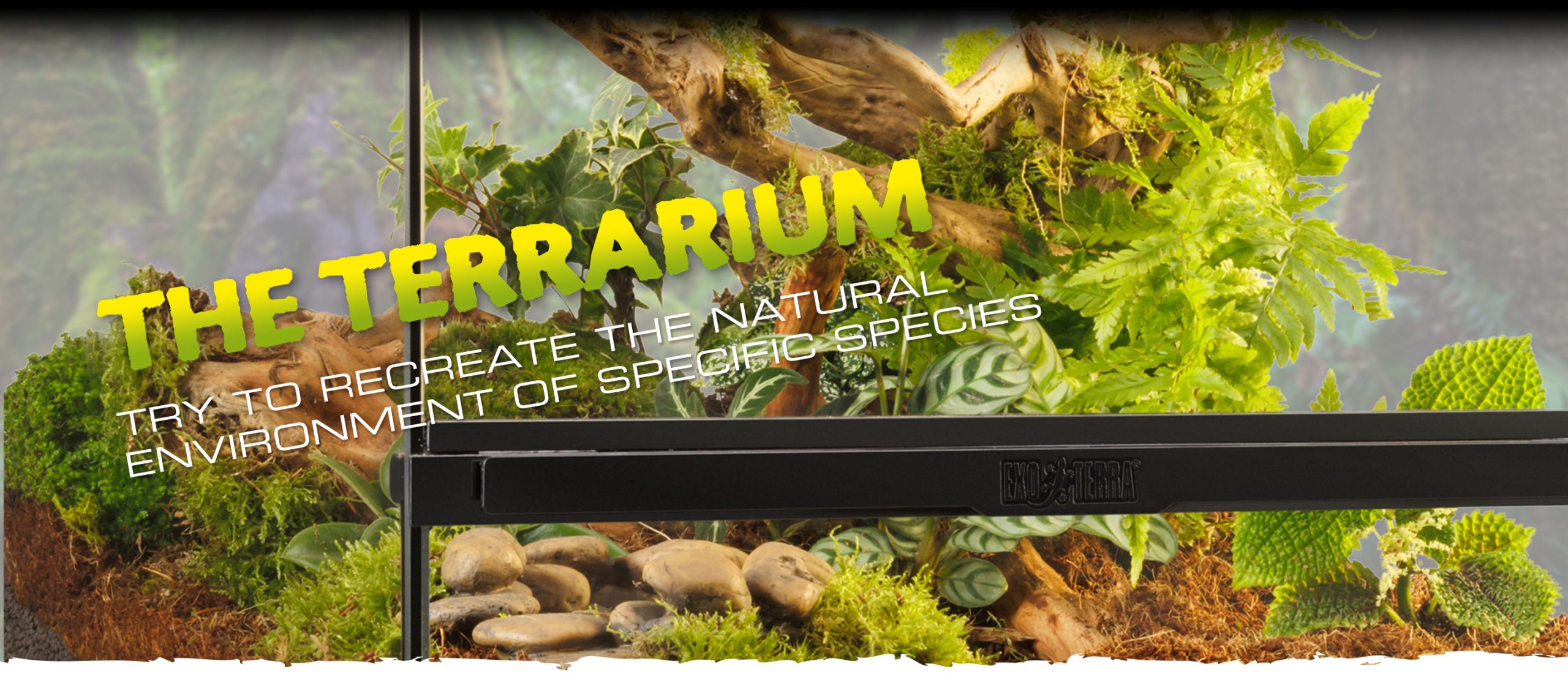
One of the most impressive features of Exo Terra’s Glass Terrariums is their innovative ventilation system. Unlike fully enclosed glass tanks or standard screen cages, Exo Terra enclosures incorporate built-in front window ventilation, creating a natural chimney effect. Fresh air enters through the vents beneath the doors, while warmer air inside the enclosure rises and exits through the full-screen top. This continuous airflow ensures that chameleons receive the proper ventilation they require, preventing stagnant air buildup and maintaining a healthier living environment.
Beyond the improved air circulation, one of the most profound benefits I observed was the enhanced humidity retention these enclosures offer compared to traditional screen cages. Chameleons, especially delicate neonates and humidity-sensitive montane species, thrive in environments with stable humidity levels. With screen enclosures, maintaining proper humidity requires frequent misting throughout the day, often becoming a time-consuming task. However, with Exo Terra’s Glass Terrariums, the ability to maintain higher humidity for extended periods dramatically reduced my misting requirements. This, in turn, streamlined my daily care routine, allowing me to focus more on observing my animals rather than constantly adjusting their hydration needs.
The impact of these enclosures on my chameleon breeding projects has been equally significant. My success rates with fragile, live-born chameleon neonates have increased dramatically since switching to Exo Terra Glass Terrariums. The stable microclimate they provide helps prevent dehydration, a common challenge when raising hatchlings in screen cages. With more consistent humidity, better temperature regulation, and reduced environmental stress, my chameleon hatchlings exhibit stronger growth and higher survival rates.
Over the years, I’ve expanded my use of Exo Terra’s enclosures to accommodate a wide range of chameleon species, each with unique environmental needs. Their smaller terrarium models have proven excellent for housing pygmy chameleons and raising neonates of various species. Medium-sized models work exceptionally well for montane species that require higher humidity levels, while the larger and extra-tall models provide ample vertical space for arboreal chameleons that need room to climb and explore. No matter the species, Exo Terra’s Glass Terrariums have consistently offered a functional, visually appealing, and effective enclosure solution.
In addition to my work with chameleons in captivity, I have been involved in chameleon conservation, field research, and education for many years. My research has been widely published in scientific journals, and I have contributed to numerous studies on chameleon physiology and biomechanics. My work has been featured in various media outlets discussing chameleon research and conservation, and I regularly engage with the broader community through platforms like the Chameleon Academy Podcast, where I share insights into chameleon biology and husbandry. My goal has always been to bridge the gap between scientific knowledge and practical reptile care, ensuring that chameleons in captivity are kept in the best possible conditions.
Looking back, making the switch to Exo Terra Glass Terrariums was one of the best husbandry decisions I have made in my years of working with chameleons. Their well-designed features not only provide a more natural and controlled environment but also make daily care significantly easier. Whether you’re an experienced keeper or new to chameleons, I highly recommend these enclosures as a reliable and aesthetically pleasing option for nearly any species.